Portable Toilet Rental Companies: The Importance of Trained Technicians
When people think about portable toilet rental, they usually picture the unit itself: a clean, stocked porta potty on site, ready for use. That part matters, but the real difference between a smooth rental and a constant headache comes from something most customers rarely see until it fails. Trained technicians.
A portable toilet rental company is only as reliable as the people who service the equipment. The technicians are the ones who decide how to place the unit for real-world access, how to handle waste without creating odors or contamination, how to troubleshoot when a door latch sticks or a tank is filling faster than expected. They also make judgment calls when the job changes midstream, because it always does.
I have watched crews go from annoyed to relieved in the span of one pickup, simply because the technician arrived prepared, diagnosed the issue quickly, and left behind a setup that worked with the site rather than against it. That kind of competence is not luck. It is training, experience, and consistency.
What “trained” really means on a rental route
A portable toilet looks simple from the outside. It is a plastic enclosure with a toilet, a handhold, ventilation, and typically a locked door. But servicing it is a technical job dressed in a plain exterior.
Trained technicians understand how the parts work together, not just how to carry the unit. They know the service intervals that keep waste from creating unpleasant conditions. They understand that proper drainage and venting influence odor control just as much as the cleaning chemicals do. They also know how to verify that the unit is actually ready for the next user, not merely “picked up.”
In practical terms, training covers three areas that matter daily: sanitation procedures, equipment handling, and site-specific placement.
Sanitation procedures are where small mistakes become big problems. The difference between a thorough service and a sloppy one often comes down to technique: how waste is removed, how hoses are managed to prevent backflow, and how the unit is inspected after servicing. A technician who rushes through those steps may still get the job done, but the customer feels it later, sometimes within the same day.
Equipment handling is about preventing damage and avoiding recurring issues. A common example is the door latch. If the technician does not align the lock mechanism correctly after maintenance, the door may stick when humidity rises. That turns a simple bathroom into a site-wide frustration because every user needs to fight the door, and staff end up spending time on “plumbing” instead of running the job.
Site-specific placement is the hidden skill. Placement affects not only convenience, but safety and logistics. A unit set too close to pedestrian routes invites frequent bumping and cleaning issues. A unit placed without considering vehicle access can trap a truck during the next service, forcing delays. Training helps technicians place the unit where it will be useful and reachable, even if the crew layout changes over a week.
The business side: why technicians define the reliability of Portable Toilet Rental
Portable Toilet Rental companies often compete on price and availability. You might see ads for Porta Potty Rental Boston, portable toilets on rent, or emergency portable toilet rental, and it is easy to assume the difference comes down to the unit cost. Sometimes that is true. More often, the difference shows up in how quickly the company can solve the inevitable issues that come with real sites.
From the technician side, reliability means showing up with the right supplies and the right plan for the specific job. A technician needs to know the expected usage, the service frequency, and the unit count. If the company sends a team that is under-equipped for the site demand, the customer feels it as odors, overflowing waste, or missing restock items.
This is also where trained technicians protect the customer from avoidable extra charges. Poor service can lead to repeat calls, increased truck trips, and wasted labor hours. When the technician understands what to look for on arrival, they prevent problems early. That prevention tends to cost less than fixing an issue after it spreads across a job site.
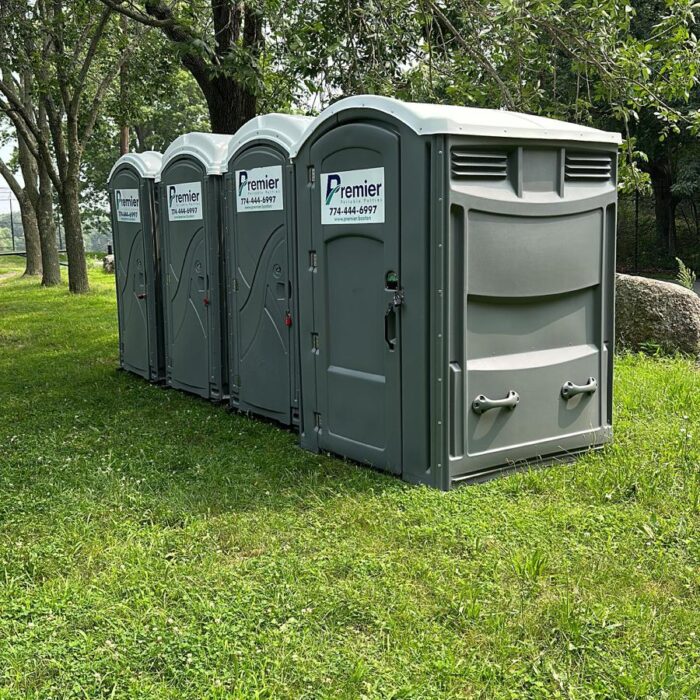
A “cheap portable toilet rental” can look like a bargain on day one. If it comes with unpredictable maintenance, customers end up paying in time and frustration. In my experience, the real cost of an unreliable setup is often measured in wasted hours, not just dollars.
Emergency portable toilet rental: speed is not the same as preparedness
Emergency situations are where technician training becomes obvious, because speed is required but cannot replace process. Emergency portable toilet rental can happen because of construction scheduling changes, an unexpected water main failure that takes existing bathrooms offline, a sudden inspection requirement, or a storm event that overwhelms sanitation capacity.
On an emergency call, customers typically want three things immediately: the unit must arrive fast, it must be usable, and it must stay usable through the next service window.
Trained technicians make fast decisions with fewer errors. They can quickly assess the site for safe placement, confirm access for the service truck, and verify that the unit is prepared for immediate use. They also reduce the odds of “secondary problems,” such as a unit that was delivered but placed where it cannot be serviced next, or a unit that was set down but not leveled or secured, leading to rocking and increased wear on the door and latch.
I remember a job where a generator failure caused a facility restroom to porta potty hire shut down overnight. The company delivered units quickly, but the first pickup later that week went sideways because the units were placed in a location where the truck could not reach without blocking a live work lane. The customer spent the next day coordinating traffic and moving cones. The fix required extra trips and more planning.
That situation did not happen because anyone ignored the emergency. It happened because the early delivery lacked the technician-led site assessment that usually prevents those access issues.
How technicians prevent odor, overflow, and “mystery problems”
Odor complaints and overflow are the two most common triggers for escalating dissatisfaction. Both can happen even when a company is trying hard, but trained technicians reduce the likelihood through inspection, correct servicing, and good placement decisions.
Odor control is not just chemicals
A technician should understand that odor is influenced by more than the cleaning chemical. Venting matters, internal airflow matters, and how the unit is used matters. If a unit is placed near strong airflow patterns, or in a spot where the ventilation pathway is blocked by fencing or nearby materials, odor can become persistent.
Training includes noticing those patterns. A technician who has serviced hundreds of different sites learns what “normal” looks like and what looks off. They can adjust placement next time or recommend how to relocate a unit if the setup is causing ongoing issues.
Overflow is usually a service interval and demand mismatch
Overflow often signals that the unit is not receiving service on the interval required for the usage rate. Sometimes the job ramps up faster than expected, like a crew shift change or additional subcontractors arriving without warning. Sometimes the unit count was underestimated.
A trained technician helps by communicating what they observe. For example, if they see heavy fill patterns or signs that the unit is being used more intensively than planned, they can recommend increasing service frequency or adding units. That recommendation is only helpful if it is based on real observation, not guessing.
“Mystery problems” are often mechanical and preventable
Mechanical issues like a door that does not latch, a toilet seat that shifts, or missing or damaged consumables can trigger calls that feel random to customers. In reality, they often relate to handling. A technician who checks seals, inspects hinges and latch alignment, and verifies restock items at each service reduces those surprises.
It is not glamorous work, but it is the difference between a portable toilet that just gets by and one that functions like a stable part of the site.
The hidden safety factor: technicians protect people and property
Sanitation is safety. Even if a customer does not think about it daily, technicians do. A portable toilet rental company operates around waste handling and cleaning equipment, and mistakes in that area create hazards for both workers and the public.
Trained technicians consider:
- how waste hoses and equipment are managed to prevent leaks
- how units are secured to prevent tipping or sliding on uneven ground
- how the unit is placed to avoid creating trip hazards
- how to maintain a clean service process that does not contaminate surrounding surfaces
These issues are not theoretical. I have seen sites where an untrained crew dragged a hose across a walkway in a way that spread residue, and the customer had to spend time cleaning before visitors came through. That kind of damage is preventable when technicians follow procedure and treat the surrounding environment as part of the job.
Placement is a technician responsibility, not just logistics
A portable toilet should be easy to use and easy to service. Those two goals can conflict unless a technician understands how to balance access and convenience.
On a construction site, for example, placement involves predicting how foot traffic will move. If you put the unit too far from the work area, people will try to “make do” elsewhere and the unit will get neglected. If you put it too close, it becomes a collision point.
Technicians also think ahead about service access. Many rental companies use routes that assume certain truck access paths. If a unit blocks a drive lane or is placed on soft ground that a truck cannot reach safely, the next service becomes a problem. Then you get a cascading effect: delays, missed service windows, and an unhappy customer.
This is why trained technicians often ask questions on first delivery. Where will the main crew walk? Are there plans to relocate equipment within the next week? Is there a strict schedule for road closures or deliveries? That information helps them place units so they remain functional across the job timeline.
Communication matters, and trained technicians know what to say
Not every issue is mechanical. Some problems are expectations. Customers want to know what is included, how often service happens, what happens during peak usage, and what they should do if something goes wrong.
A technician who is trained does not just fix the visible issue, they explain what they found and what it means. If they notice that the unit demand is higher than planned, they can recommend an adjustment. If a customer reports an odor, the technician can determine whether it is a service interval issue, a venting issue, or a mechanical issue.
Communication is especially critical in portable toilets on rent arrangements where the customer is balancing multiple vendors. A well-managed rental does not force the customer into guesswork. It gives them clear next steps, realistic timelines, and consistent service.
That is one reason portable toilet rental companies with strong technician teams often develop repeat business with contractors and event planners.
Example: the difference between “delivered” and “serviced”
A lot of customers have experienced a situation like this. A unit arrives, it is fine for a day or two, then things change. The door sticks, the supply dispenser is low, odors develop, or waste level rises faster than expected. The customer calls, and the response is either prompt or vague.
The “delivered but not serviced properly” scenario often involves inconsistent inspection and restocking. If the technician does not check consumables, the customer can find the unit unusable before the next visit. If the unit is serviced quickly but not cleaned thoroughly, residues can contribute to lingering odor.
In a better scenario, trained technicians treat each visit as a full reset. They inspect the unit, check everything that affects usability, and confirm that the unit is prepared for the next wave of users. The customer may not see the behind-the-scenes process, but they feel it through consistent usability.
I have noticed that when technicians are properly trained, customers tend to stop calling. Not because issues never occur, but because the company prevents small issues from turning into recurring problems.
Choosing a company: what to look for beyond the unit price
It is tempting to select a provider based on price alone, especially if you are searching for cheap portable toilet rental. Price matters, but it should not be the only filter. When you compare portable toilet rental companies, think about the service quality and technician competency that sit behind the quote.
If you are in the Boston area, you might compare Porta Potty Rental Boston options. The key is to figure out how each company handles service logistics and technician training. You can ask questions that reveal whether the company has a real field process.
Here is a short list of practical questions that get to the heart of technician readiness:
- How often will units be serviced based on expected usage, and how do you adjust if demand changes?
- Who performs the servicing, and are technicians trained on sanitation procedures and mechanical inspections?
- Do you place units with service access in mind, and can you relocate if site conditions change?
- What do you include in each service visit, such as restocking supplies and cleaning standards?
- What is your process for emergency portable toilet rental, including how fast you can deliver and service?
If a company can answer these questions clearly, with specifics and confidence, it usually signals that the technicians are part of a structured operation rather than an afterthought.
The “training gap” shows up in recurring patterns
One of the most realistic ways to evaluate a company is to look for recurring patterns in customer experiences, such as repeated odor issues, repeated mechanical failures, or consistent delays in pickup. These patterns often connect back to how technicians work.
Training gaps might show up as:
- rushed servicing that misses inspection points
- inconsistent restocking, leaving supplies low
- poor placement decisions that make the next service harder
- lack of communication about when more units are needed
When customers see the same issue multiple times, it is not random. It is the system.
The best companies treat field service as a professional role, with technicians who understand the equipment and the sanitation work. That is where customer satisfaction comes from, not from marketing language.
Long-term rentals: consistency beats improvisation
Long-term portable toilet rental arrangements are where technician training pays dividends over weeks and months. Short rentals can get by with a basic workflow. Long rentals require consistency.
A stable rental depends on predictable service windows and careful tracking. A trained technician and a well-run route plan help ensure units remain clean, stocked, and operational. They also prevent gradual buildup of problems that might not be obvious day one.
For instance, small mechanical wear can become a bigger issue over time. A latch that is slightly misaligned might still work for a while, but it can fail under higher humidity or frequent use. A trained technician who checks the latch at each service can catch the early wear and correct it before it becomes a door problem that stalls a whole crew.
Long-term rentals also demand a feedback loop. If the customer reports a change in usage, the company should adapt service frequency or unit count. That adaptation is where technicians contribute, because they see the condition of the units and can assess fill patterns.
Special cases: events, schools, and sites with stricter standards
Not every site behaves like a typical construction job. Events, schools, and public-facing sites often involve stricter expectations around cleanliness, accessibility, and user experience.
Trained technicians are better equipped to handle these variations because they understand that the unit is part of the public impression. A door that sticks, an unpleasant smell, or an unstocked dispenser stands out more when the users are not workers used to portable facilities.
They also handle access and workflow differently. An event venue might have crowds moving through narrow pathways. A school might require careful coordination around drop-off and pick-up times. In these cases, technician training helps ensure the service process respects the site rhythm rather than disrupting it.
The bottom line: technician competence is the product
A portable toilet rental company may sell the unit, but technicians deliver the outcome. They are the ones who ensure the setup stays usable, clean, and safe. They make the difference between a service that feels dependable and one that feels like guesswork.
If you need Porta Potty Rental Boston, or you are shopping portable toilets on rent for a construction schedule, or you are dealing with emergency portable toilet rental because something broke, the technician component should not be an afterthought. It is a core part of service quality.
The next time you see a unit arrive and look ready, notice the details. Does it appear leveled and secured? Is the placement sensible? Do they ask questions that suggest they have planned for servicing? Those are the visible signs of trained technicians doing their job.
And when things go wrong, the technicians are who you end up relying on. That is when training shows up most clearly.
Premier Portable Potties
35 Industrial Dr, East Bridgewater, MA 02333, United States
(774) 444-6997
[email protected]
website: https://www.premier.boston/